The Elder's Health Journal
Traditional Dietary Wisdom for Blood Sugar Support
A 76-Year-Old Village Herbalist Reveals the Simple Dietary Protocol That Has Helped Over 200 Nigerian Diabetics Stabilise Their Blood Sugar Naturally — Used Alongside Their Medication, Not Instead of It (Without Dangerous Herbal "Cures," Without Stopping Your Medication, and Without Another Doctor Visit That Ends With a Higher Dose)
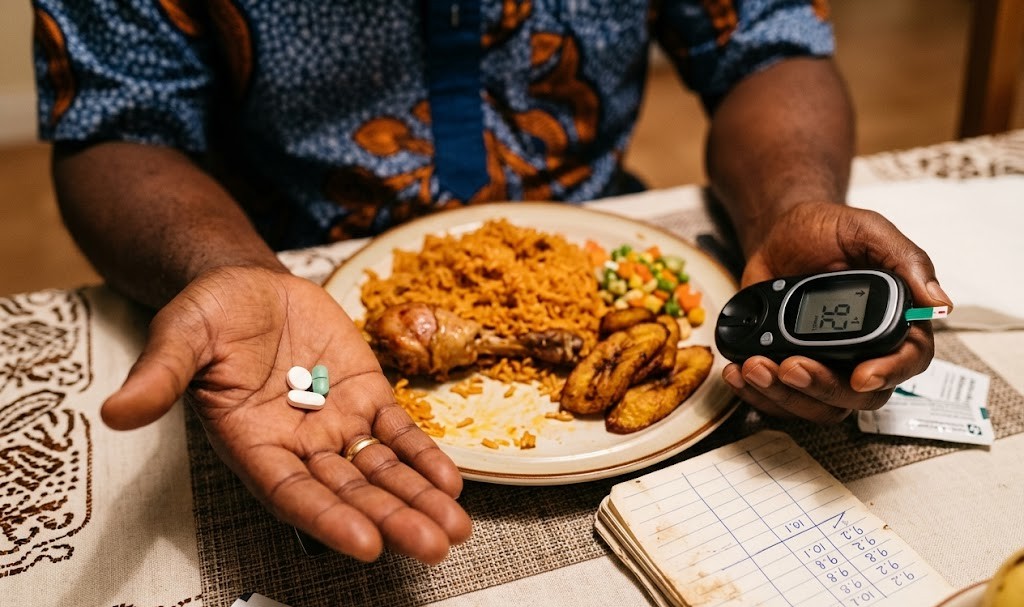
You already know the pattern.
You sit in the doctor's office. He checks your blood sugar log. He frowns. Then he says what he said last time: "We need to increase your dosage."
Or worse: "I think it's time we discuss insulin."
You nod. You don't argue. The numbers are right there. Your fasting blood sugar was 9.2 last month. This month it's 10.1. The metformin that controlled it at 500mg now can't hold it at 1000mg. The glimepiride they added 18 months ago isn't enough anymore. Every visit, the medication goes up. Every visit, you feel like your body is slipping further out of your control.
If your medication dosage has been climbing and nobody has explained WHY or WHAT you can do beyond "take more pills," keep reading.
My name is Adebayo. I'm 54. I live in Lagos. I was a banker for 28 years.
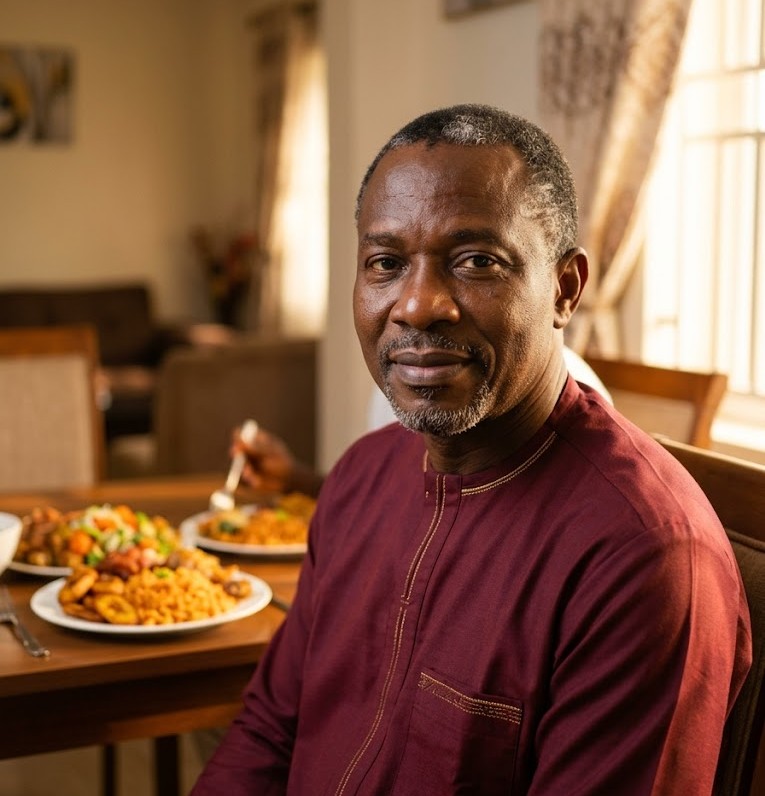
And for 7 years, I watched my diabetes medication climb from one pill to three, my fasting blood sugar rise despite the pills, and my doctor shift from "we're managing it" to "we need to discuss insulin." Until my wife's aunt introduced me to Baba Ifedayo.
Why the Medication Keeps Climbing
Your medication is fighting your blood sugar. Your diet may be fighting your medication. When you address the dietary drivers, the medication works more effectively. When the medication works better, the dose stabilises. When the dose stabilises, the conversation changes from "we need to increase" to "let's keep this where it is."
What I Tried Before Baba Ifedayo
Total spent beyond medication in 7 years: over ₦180,000.
Meeting Baba Ifedayo
My wife's aunt, Mama Shade, has managed type 2 diabetes for 15 years. Her medication hasn't increased in 8 years. Her HbA1c: 6.4. She introduced me to Baba Ifedayo, a 76-year-old herbalist near Ilesha who doesn't sell potions. He teaches FOOD.
He said something that changed my understanding: "You have reduced your sugar but you have not addressed your STARCH. Nigerian foods are starch-heavy. Starch converts to glucose just as sugar does. You are avoiding sugar with one hand and feeding blood glucose with the other through starch. Give the medication less to fight and it fights better."
His protocol has three parts:
Part 1: The Food Restructure. Nigerian food swaps that reduce glycaemic load without changing WHAT you eat, only HOW you prepare and time it.
Part 2: The Morning Stabiliser. A natural preparation taken each morning alongside your medication. Ingredients from any Nigerian market.
Part 3: The Evening Protocol. What you eat in the 4 hours before sleep determines your fasting blood sugar the next morning.
Week 2: The Numbers Moved
Same foods. Different preparation. Different timing. My fasting blood sugar had averaged 9.8-10.2 for months.
Day 8: 8.9. Day 11: 8.4. Day 14: 7.8. I hadn't seen 7.8 in over 2 years. Same medication. Same dose. Only the food protocol changed.
Week 4: My Doctor Noticed
He looked at my log three times. Fasting sugar averaging 7.2-7.6. Then he said words I hadn't heard in 7 years:
No increase. For the first time in 7 years. Three months later, my doctor actually REDUCED my glimepiride. The insulin conversation is off the table.
Baba Ifedayo's Blood Sugar Support Protocol
The Simple Dietary System That Supports Blood Sugar Stability Alongside Your Medication
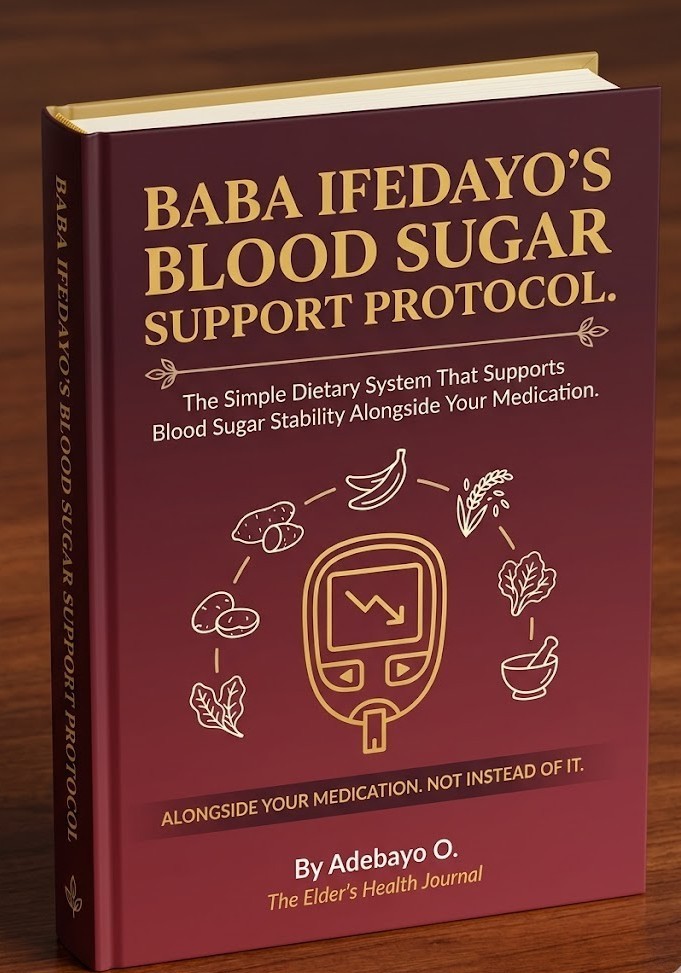
✅ The 3-Part Protocol: Food restructure + morning stabiliser + evening protocol with exact Nigerian foods, preparations, and timing
✅ The Nigerian Food Swap Guide: Eat rice, yam, plantain, amala with simple preparation changes that reduce blood sugar spikes
✅ The Morning Stabiliser Recipe: Ingredients from any Nigerian market, under ₦2,000/month, taken alongside your morning medication
✅ The Evening Meal Blueprint: Restructure the 4 hours before sleep to improve fasting readings
✅ The Glycaemic Load Cheat Sheet: Visual guide for Nigerian foods. Print it for your kitchen
✅ The 30-Day Tracking Template: Take it to your doctor and let the numbers speak
Real Nigerians. Real Numbers.
Share Your Numbers
Monthly medication: ₦5,000-₦20,000+. Herbal "cures": ₦5,000-₦15,000. Glucometer + strips: ₦11,000+.
Total Value
₦25,000
You Pay Today
₦9,800
One payment. Lifetime access. Works alongside your current medication.
Instant delivery • Both bonuses included • Keep Everything guarantee • Works WITH your medication
You Also Get These 2 FREE Bonuses
🎁 BONUS #1: The Nigerian Diabetic's Food Guide
(₦5,000 Value. Yours FREE)

15 Nigerian foods that support blood sugar stability. The 10 that spike it fastest (some you think are "diabetic-safe"). Visual glycaemic load chart for every major Nigerian staple. Print it for your kitchen.
🎁 BONUS #2: The Blood Sugar Monitoring Journal
(₦5,000 Value. Yours FREE)
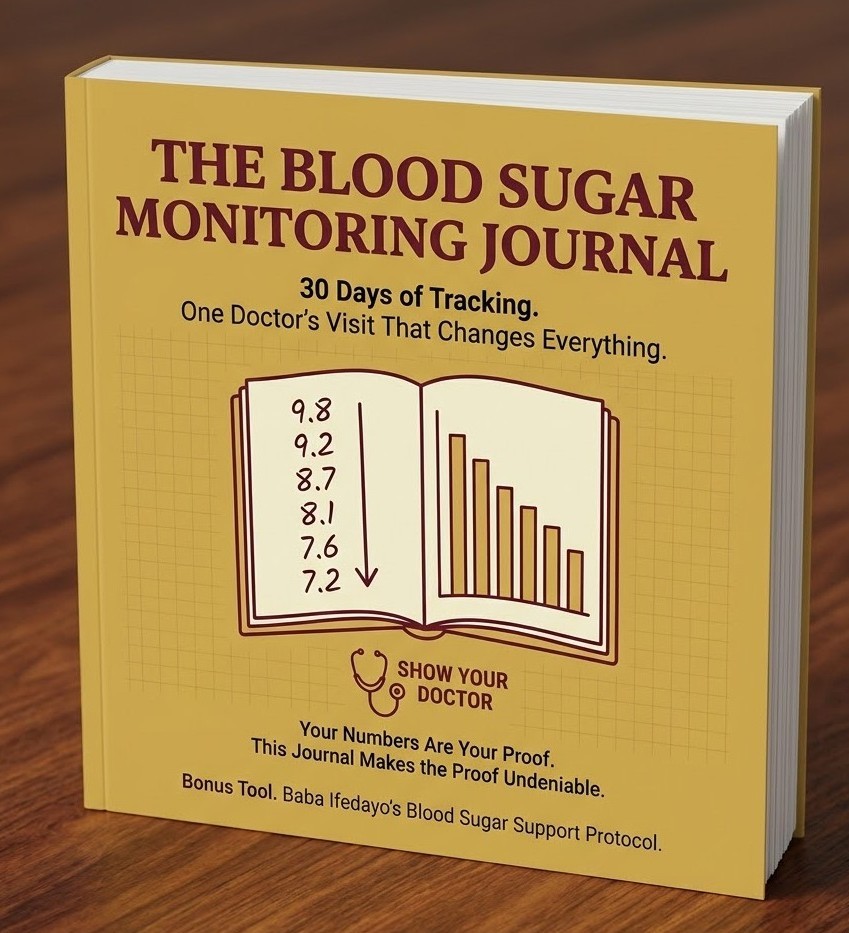
30-day printable tracking journal. Daily spaces for fasting reading, post-meal readings, medication taken, foods eaten. Take it to your doctor so they can see the improvement. Your numbers are your proof.
Main Protocol: ₦25,000 ₦9,800
Bonus #1 (Food Guide): ₦5,000 FREE
Bonus #2 (Journal): ₦5,000 FREE
Total Value: ₦35,000
Your Price Today: ₦9,800
🛡️ Keep Everything Guarantee
Try the protocol for 30 days alongside your medication. If you're not satisfied for any reason, full refund. You keep the protocol, food guide, and journal regardless.
Your numbers either improve or you pay nothing. And you keep everything.
Right Now, You Have a Choice
The medication increases at your next visit.
The insulin conversation gets closer.
The same Nigerian meals fighting your medication continue unchanged.
The dosage only goes one direction without intervention: up.
Imagine 30 days from now:
Same foods. Different preparation. Different timing.
Fasting blood sugar trending downward.
Your doctor saying "keep doing what you're doing."
All for ₦9,800. Alongside the medication you're already taking.
P.S. Your next doctor's appointment is coming. The numbers on your log will determine whether the dose stays, goes up, or comes down. Start now and bring your 30-day log to that appointment.
P.P.S. The morning stabiliser costs ₦1,800/month. The food swaps use ingredients you already buy. The only new expense is ₦9,800 for the protocol itself.
⚠️ Final Medical Reminder
This protocol is a dietary and lifestyle SUPPORT system. It does NOT replace your diabetes medication, your doctor's advice, or your regular check-ups.
Do NOT change, reduce, or stop any prescribed medication based on this guide. Any medication changes must be made by YOUR DOCTOR based on your individual blood work.
If you experience symptoms of low blood sugar (shakiness, dizziness, sweating, confusion) while following this protocol, eat or drink something sugary immediately and contact your doctor.